
Gazebo Installation: Step-by-Step Process & Why Hiring Experts Matters
- BlueFiks Pros' Blogger
- Apr 26
- 6 min read
Gazebos transform your outdoor living space, offering a charming retreat for relaxation, entertaining, or family gatherings. Whether you're enhancing your backyard oasis in Chino Hills, making a style statement in Scottsdale, or seeking a functional shade solution in Las Vegas, proper gazebo installation is essential to ensure safety, stability, and long-term enjoyment.
In this comprehensive guide, we’ll take you through the entire gazebo installation process, address common questions, highlight pitfalls to avoid, and explain why relying on seasoned professionals can make all the difference—especially for residents in popular locales like Chino (San Bernardino County, CA), Chandler (Arizona), and Henderson (Nevada).
What Is Involved in Gazebo Installation?
Gazebo installation is far more than just assembling a kit from a few parts. The process involves precise planning, groundwork, following detailed manufacturer instructions, handling heavy materials, and ensuring a safe and level construction. Here are the broad steps involved for a successful installation:
1. Site Selection and Preparation
Evaluate the Landscape: Choose a flat, well-drained area that is away from large trees or utility lines.
Check Local Codes: In municipalities like Chino or Chino Hills, you may need a permit based on the gazebo's size or whether it's a permanent structure.
Measure and Mark: Accurately mark out the footprint of the gazebo. Remove grass, debris, or rocks that could interfere with installation.
2. Foundation and Anchoring
Ground Inspection: Determine whether a foundation is required based on the surface and gazebo type.
Concrete Footings or Pads: Especially important for hard-top gazebos or when installing on unstable ground.
Anchoring Systems: Secure the structure using anchor bolts, spikes, or auger-style anchors.
3. Assembly of Components
Unpacking and Inventory: Organize all parts—posts, beams, roofing panels, hardware—before starting.
Step-by-Step Build: Follow each manufacturer's sequence: assembling the frame, installing trusses, attaching the roof, and adding decorative elements.
Weatherproofing: Apply sealant or paint as needed, and ensure roof panels or shingles are secured to prevent leaks or weather damage.
4. Final Safety Checks and Cleanup

Inspect Stability: Ensure all bolts and joints are tight, and the structure is securely anchored.
Finish Work: Add mosquito netting, curtains, or furniture as desired.
Clean Up: Remove packaging, construction debris, and any tools from the site.
If you’re feeling overwhelmed by the sheer amount of detail, that’s precisely why many homeowners in Scottsdale and Las Vegas turn to professional gazebo installers who handle all these nuances with precision.
Do Gazebos Need to Be Anchored to the Ground?
Absolutely—anchoring is essential in almost every region and scenario.
Why Is Anchoring Necessary?
Safety: Unanchored gazebos are vulnerable to tipping over in high winds—a real concern in desert areas like Chandler and Henderson.
Longevity: Proper anchoring prevents structural damage from shifting or settling.
Warranty & Insurance Compliance: Many manufacturers require anchoring for their warranty to be valid. Some municipalities, such as parts of San Bernardino County, also make anchoring a legal requirement.
Anchoring Methods
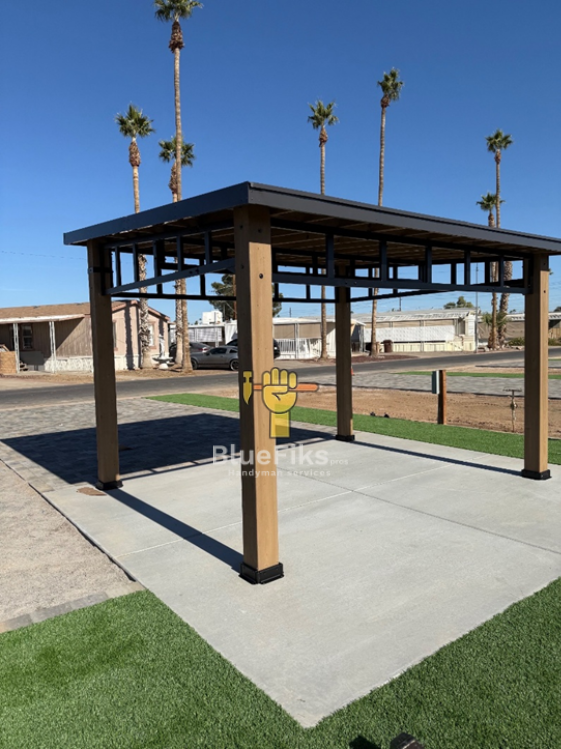
On Soft Ground (Grass/Soil): Use auger anchors or pour concrete footings.
On Hard Surfaces (Concrete/Decking): Secure with anchor bolts, expansion bolts, or masonry screws.
A professional installer ensures the correct choice of anchor and foundation for both security and compliance—critical when dealing with high-end gazebo products from brands like Paragon Outdoor or Aoxuns.
How Long Does Professional Gazebo Installation Take?
Installation time varies widely, but here are some general guidelines:
Basic Soft-Top Gazebos: Typically 4–6 hours.
Hard-Top Metal or Wooden Gazebos: 1–2 days, depending on complexity and weather.
Custom or Extra-Large Structures: 2–3 days, plus any time required for the foundation to cure.
Factors Affecting Installation Time
Type and Brand: Kits from Paragon Outdoor are renowned for clear instructions, but still require attention to detail.
Site Conditions: Slope, surface (grass, concrete, pavers), and local weather.
Team Size & Experience: Professionals can assemble most gazebos much faster—and safer—than DIYers.
Permitting or Site Preparation: Time may increase if ground leveling, tree removal, or concrete curing is needed.
For a seamless experience, consult with expert installers who can provide an accurate estimate and complete the work much faster than the average DIY approach.
Can a Gazebo Be Installed on Grass or Concrete?
Yes, gazebos can be installed on a variety of surfaces, but the process and requirements differ.
Installation on Grass
Pros: Natural, welcoming look; easy access for most backyards.
Cons: Risk of shifting, settling, or water pooling under structure.
Best Practices: Use extended anchoring (deep spikes or concrete footings) and possibly a gravel bed under pressure points.
Installation on Concrete
Pros: Stable, low-maintenance, prevents weed growth.
Cons: Requires special masonry tools to drill anchors; cannot move structure easily after.
Best Practices: Use expansion bolts or heavy-duty concrete anchors, and check for underground utilities before drilling.
Hybrid Solutions
In cities like Chino Hills and Scottsdale, homeowners often combine a concrete pad with surrounding landscaping for the best of both worlds—solid anchoring and natural aesthetics.
Deck or Patio Installation
For installation on wooden decks:
Ensure Structural Integrity: The deck must be strong enough to support gazebo weight (especially with snow loads in certain areas).
Anchor to Joists: Use heavy-duty lag screws or specialty brackets.
Each surface demands specialized knowledge—another point in favor of hiring experts with experience in regional soil conditions and local building codes.
Common Mistakes During Gazebo Installation
Even the most enthusiastic DIYers are prone to missteps. Here are the most frequent—and costly—mistakes we see in areas like Henderson and Las Vegas:
1. Ignoring Permits and Regulations
Failing to check local codes can lead to legal headaches or forced removal. Some cities require inspections or permits based on size, height, or foundation type.
2. Improper Foundation or Anchoring
Inadequate anchoring is the single biggest issue, especially on soft ground or in windy regions. This compromises safety and invalidates warranties.
3. Misreading Instructions
Many high-quality gazebo kits, such as those from Aoxuns, come with complex assemblies. Skipping steps or mixing up fasteners weakens the structure or results in leaks.
4. Underestimating Site Preparation
Building on uneven, muddy, or poorly drained ground leads to long-term settling and possibly structural collapse.
5. Insufficient Tools or Help
Gazebos are heavy—metal or wooden models especially so. Attempting a solo build without the right ladders, drills, and safety gear often results in damage or injury.
6. Skipping Safety Checks
Failing to tighten all bolts, or not inspecting stability after assembly, is a recipe for disaster during the first big storm or when weight is added (hanging lights, fans, etc.).
Why Hiring Experts for Gazebo Installation Matters
Choosing professional installation isn’t just about convenience—it’s about quality, safety, and peace of mind. Here’s why it makes a real difference, especially for homeowners in Scottsdale, Chino, and Henderson:

1. Precision and Expertise
Experts follow every manufacturer specification, ensuring the warranty remains intact.
They bring specialized knowledge about dealing with different brands, notably top suppliers like Paragon Outdoor and Aoxuns.
2. Speed and Efficiency
Experienced pros can complete complex builds in a fraction of the time with fewer mistakes.
The site is left clean, and you avoid delays from missing tools or missteps.
3. Customization and Compliance
Local teams understand code requirements in your area, from San Bernardino County to Las Vegas.
They can alter the installation for sloped yards, add custom anchoring, or recommend the best accessories for your climate and lifestyle.
4. Full-Service Experience
Many providers, like BlueFiks Pros, offer start-to-finish service: site prep, leveling, securing permits, and debris removal.
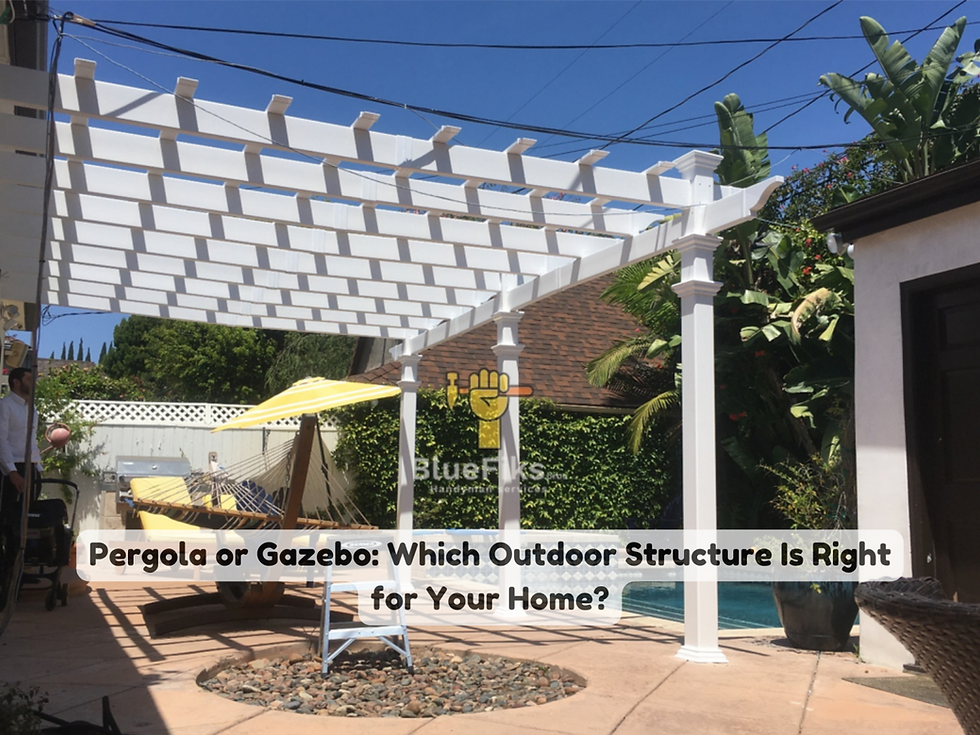
They can assemble not just gazebos, but pergolas, patio covers, and more for a complete backyard transformation.
If you’re in one of these key service areas and want to avoid headaches, hire a trusted gazebo installer for stress-free backyard upgrades.
Choosing the Right Gazebo Brand
Your gazebo installation can only be as sturdy and beautiful as the kit you choose. Some of the most popular brands compatible with professional installation include:
Aoxuns: Known for stylish soft and hard-top gazebos that blend with any backyard décor.
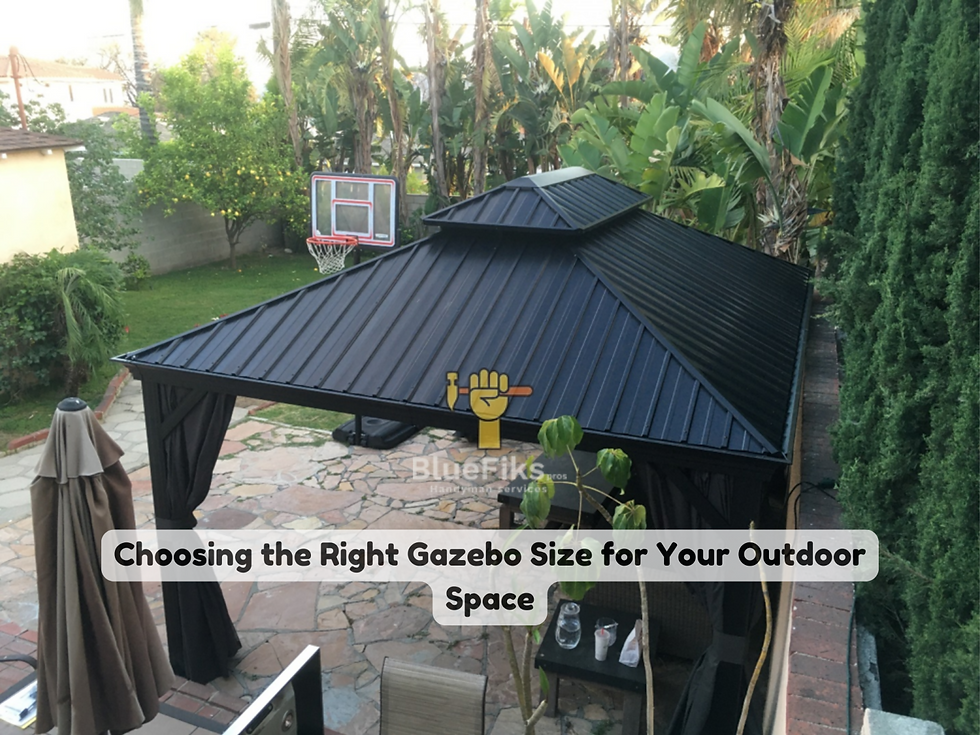
Paragon Outdoor: Engineered for durability with standout features like rust-resistant aluminum, polycarbonate panels, and modular designs.
When you partner with experienced installers, you can pick your preferred model—metal, wood, modern, or classic—knowing it will be built to last.
Expert Gazebo Installation in Chino, Chandler, and Beyond
Every region presents its unique challenges—weather, soil, codes, and lifestyle needs. That’s why localized expertise is crucial.
San Bernardino County (Chino, Chino Hills)
With warm sun and occasional winds, you need robust anchoring and UV-resistant materials. Professional crews are familiar with county regulations and HOA restrictions.
Arizona (Scottsdale, Chandler)
Desert climates call for gazebo designs that withstand intense sun and occasional monsoon gusts. Installers select materials and foundations that will last for years, even in harsh environments.
Nevada (Las Vegas, Henderson)
High winds and dry conditions require attention to detail—especially for hard-top models and those installed on pavers or concrete.
No matter where you’re located, partner with a provider that offers reliable gazebo and pergola installation so you can enjoy your new outdoor retreat with total confidence.
Conclusion
Gazebo installation is a rewarding investment—one that elevates your outdoor space, boosts your property value, and enhances your lifestyle. Though it might be tempting to take the DIY route, the risks of improper assembly, lack of anchoring, or damage due to missed steps can far outweigh the cost savings.
Whether you reside in Chino, Chandler, or Las Vegas, don’t leave your gazebo’s safety or longevity to chance. Hire an expert team to guide the process, comply with local codes, and anchor your structure for a lifetime of backyard enjoyment.
Ready to transform your outdoor space? Visit BlueFiks Pros to schedule your professional gazebo installation—and discover how stress-free and beautiful your backyard can be.
Comments