
How to Prepare Your Backyard for Pergola or Gazebo Installation
- BlueFiks Pros' Blogger
- Jan 1
- 4 min read
Adding a pergola or gazebo to your backyard is a fantastic way to enhance outdoor living space, providing shade, comfort, and a beautiful focal point for landscaping. However, before you can enjoy the serene environment these structures offer, there's important groundwork to be laid—quite literally. Residents in Riverside County, including cities like Riverside, Moreno Valley, Lake Elsinore, and Menifee, can transform their backyards into havens of relaxation with the appropriate preparation. Here’s how to get your outdoor area ready for pergola or gazebo installation.
Should the Ground Be Leveled Before Installation?
Absolutely. Ensuring a level surface for your pergola or gazebo is vital for the safety and stability of the structure. An uneven surface can lead to a host of problems, from inadequate support to premature wear and tear. Leveling the ground helps prevent these issues and extends the life of your investment.

Do Installers Provide Ground Preparation?
Many professional installers offer ground preparation services, but this can vary by contractor and location. It’s important to inquire about these services before finalizing the project to understand if you need to make separate arrangements. In Riverside County and nearby cities, some installation services, such as those found through BlueFiks Pros – Gazebo & Pergola Installation, may offer comprehensive ground leveling as part of their installation packages.
How Much Space Should I Leave Around a Pergola or Gazebo?
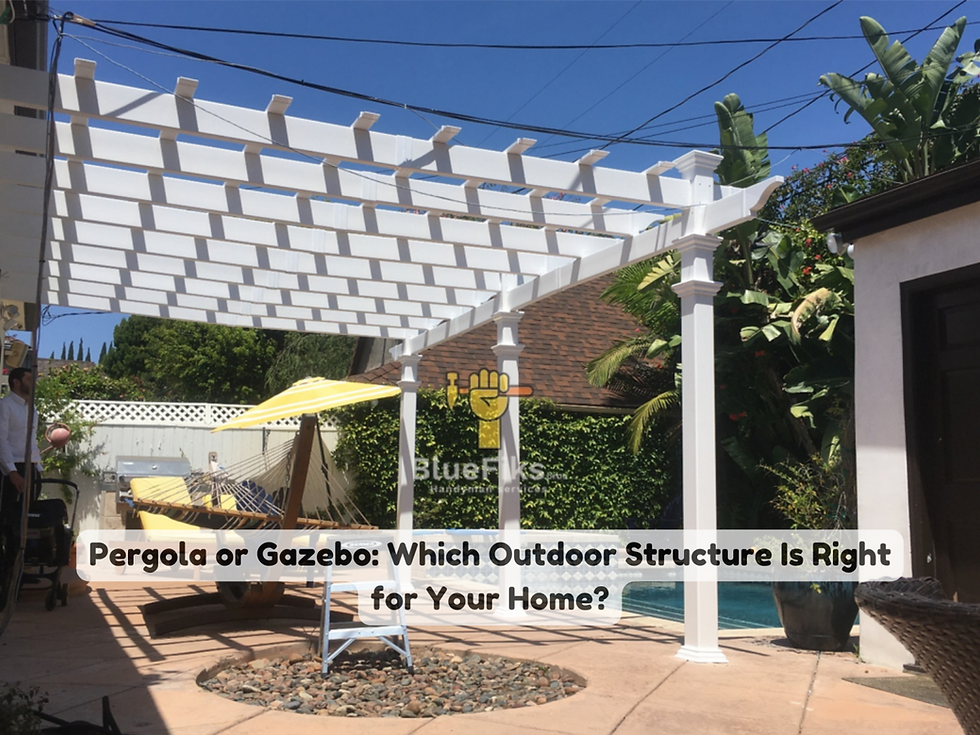
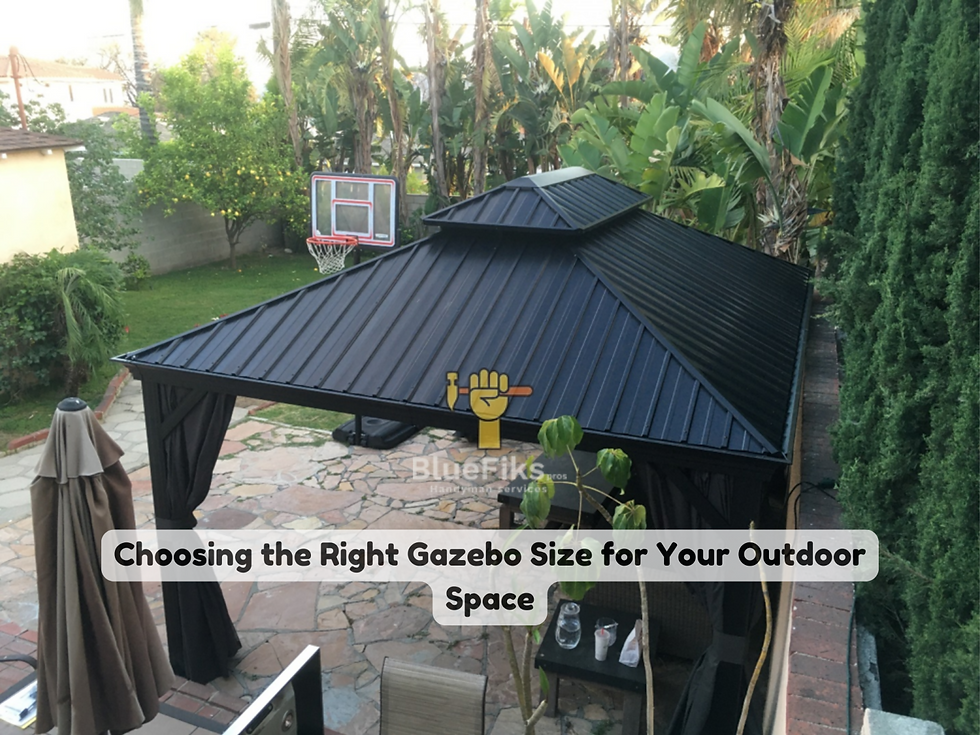
You should aim to leave at least a 3-foot clearance around all sides of your pergola or gazebo. This space allowance ensures easy access for both installation and maintenance while also providing room for air circulation and movement around the structure. Moreover, consider the future growth of plants, trees, and other landscaping elements that may encroach on the space.
Can Pergolas Be Safely Installed on Pavers or Decks?
Yes, pergolas and gazebos can be safely installed on pavers or decks, provided that the underlying structure is strong enough to support the additional weight. Special footings or reinforcement may be necessary to ensure adequate support. A meticulous evaluation by a professional can determine the feasibility and any additional requirements for installation on these surfaces.
What Should Homeowners Clear Before Installers Arrive?

Before the arrival of the installation team, homeowners should clear out any lawn furniture, toys, garden tools, and debris from the work area. The space should be as clean and unobstructed as possible to afford the installers a safe environment to work in and to expedite the installation process. Additionally, discuss with the installers if there are any particular requirements or preparation steps specific to your property.
Step 1: Decide on the Location
The first step is to determine the best spot in your backyard for the pergola or gazebo. Consider the sun's path, views, privacy, and proximity to your home. It's also wise to check local zoning laws and homeowners association rules to ensure compliance with regulations.
Step 2: Mark the Area and Level the Ground
Once you've chosen the location, mark the perimeter. Use stakes and string to outline the footprint of the structure. The ground within this area should be leveled to create a solid foundation. This may involve excavating the top layer of soil, using a level to check evenness, and compacting the soil to prevent future settling.
Step 3: Prepare the Foundation
Depending on the weight of your pergola or gazebo and the type of soil in your backyard, you may need to lay a more substantial foundation, such as a concrete slab or footers. This adds stability, especially in areas with frequent weather changes or seismic activity, which Riverside County is no stranger to.
Step 4: Arrange for Utilities Assessment
Before digging, it’s crucial to know where underground utilities are located. Call 811 or your local utility companies for a professional assessment to avoid damaging any buried lines during installation.
Step 5: Choose the Right Structure
Selecting the right pergola or gazebo for your yard is essential. Renowned brands like Pergolux Shop offer a variety of styles that can complement your outdoor space, while Domi Outdoor Living provides louvered pergola options that allow adjustable sunlight and ventilation.
Step 6: Contact a Trusted Installer
Once you have your pergola or gazebo chosen, it's time to bring in the professionals. In Riverside, Moreno Valley, Lake Elsinore, and Menifee, you can trust installers such as those at BlueFiks Pros to handle your installation with expertise and care.
Step 7: Final Inspection
After installation, conduct a thorough inspection with your installer present to ensure that everything has been set up correctly and to your satisfaction. This is also the time to ask any maintenance questions specific to your new pergola or gazebo.
By paying attention to these details and taking the necessary steps, you can ensure that your pergola or gazebo installation is a smooth process. As homeowners in Riverside County and its cities embark on this journey, they not only prepare their backyards for a new feature but also set the stage for countless days of enjoyment and relaxation. With these structures properly installed, your outdoor space is sure to become your new favorite "room" of the house.
Comments