
Install a Pergola Like a Pro: What Homeowners Must Know Before Starting
- BlueFiks Pros' Blogger
- Dec 19, 2025
- 4 min read
Adding a pergola to your property is a fantastic way to enhance your outdoor living space, providing a beautiful area for relaxation and entertainment. If you’re a homeowner considering a pergola installation, there are several important considerations to ensure that the process goes smoothly and the final result stands the test of time.
Whether you’re based in the vibrant cities of Scottsdale, Tolleson, Litchfield Park, Buckeye, Gilbert, or Goodyear, Arizona, this guide aims to equip you with essential information to install a pergola like a pro.
What Foundation is Best for a Pergola Installation?
The foundation of a pergola is crucial to its stability and longevity. There are three main types of foundations you can consider:
Concrete footings: Ideal for stable, long-term support, concrete footings are poured into holes dug into the ground, ensuring a firm base.
Patio stones: If looking for a less permanent option, patio stones can provide a stable base, though it may not be as sturdy as concrete footings.
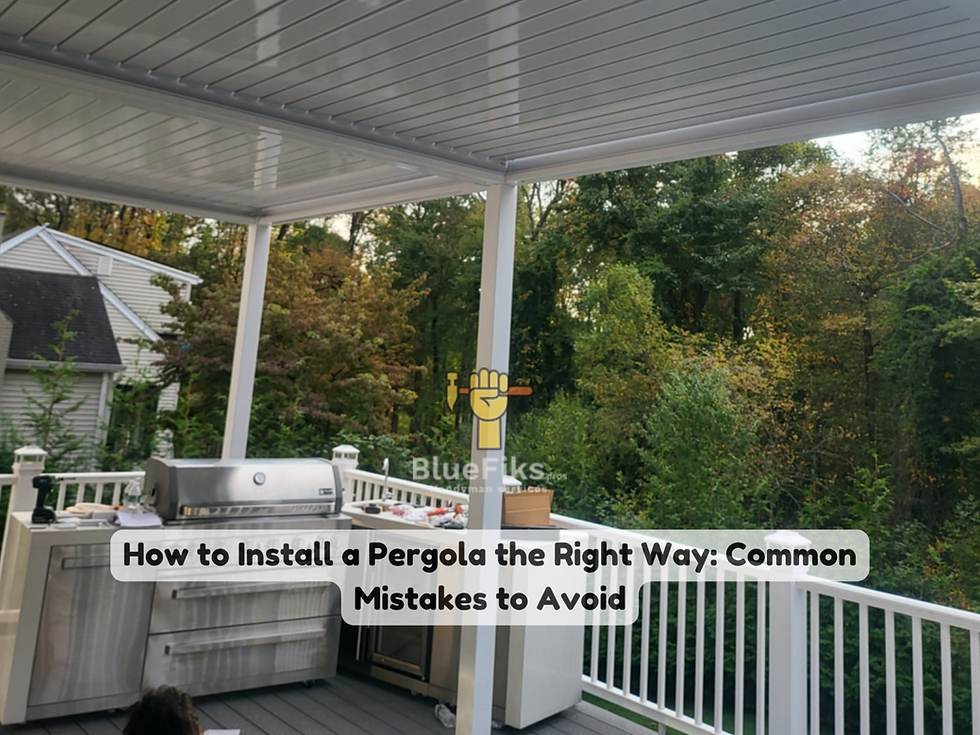
Deck mounts: If your pergola is to be mounted on a deck, mounting hardware that attaches directly to the deck's structure is essential to ensure safety and stability.
The best choice will depend on your soil type, climate, and the design of your pergola. Consulting with a local contractor, such as a professional from BlueFiks Pros – Gazebo & Pergola Installation, can provide insights tailored to your specific conditions.
Do Pergola Kits Come with Everything Needed for Installation?

Many pergola kits come with the necessary components, including posts, beams, lattices, and hardware. However, depending on where you’re purchasing your kit from, there may be variances in what’s included. It’s essential to thoroughly read the product specifications. Brands like Mirador Outdoor and those available at The Home Depot typically list everything included, so it’s clear what additional tools or materials you might need to start your installation.
Should Pergolas be Anchored to the Ground or Deck?
Yes, anchoring your pergola is critical to prevent it from shifting or collapsing due to wind or other forces. For ground installations, anchoring into concrete footings with metal brackets is often recommended. If placed on a deck, specially designed attachment brackets are necessary. This ensures the pergola is securely tied into the deck’s structural frame.
In cities like Scottsdale or Goodyear, where wind conditions can be a concern, anchoring becomes even more significant to guarantee your pergola’s stability.
How do Weather Conditions Affect Pergola Installation?
Weather conditions play a significant role in both the installation process and the long-term health of your pergola. For instance, in the desert climates of Arizona cities like Litchfield Park and Buckeye, the intense sun and heat can affect the type of materials you should choose for your pergola. Wood can warp or crack, and metal can become extremely hot to touch. Opt for materials designed to withstand these conditions, such as heat-treated woods or metals with a powder coating to resist the effects of extreme temperatures.
During installation, it's also essential to choose a period with mild weather. Rain can disrupt the process and compromise freshly poured concrete footings, while high winds can make it unsafe to work with large structures.
What Maintenance is Required After Installing a Pergola?
The maintenance required after installing a pergola will depend on the materials used and your local climate. In cities like Gilbert and Tolleson, where weather can be harsh, regular checks and maintenance are key. For wood pergolas, staining or sealing the wood every couple of years can protect against decay and sun damage. Metal pergolas may require occasional painting to prevent rust, and vinyl options might need washing to prevent discoloration.
Annual inspections are good practice to ensure that all bolts and brackets remain tight and that there has been no undermining of the foundation due to erosion or other factors.
Tips for a Successful Pergola Installation:
Understand local regulations: Before starting your project in any community, be it Scottsdale or Goodyear, it’s critical to understand local zoning laws and acquire any necessary permits.
Choose the right location: Consider the path of the sun, wind patterns, and your property’s layout. You want to install your pergola in an area that maximizes its use and aesthetic appeal.
Select quality materials: Invest in high-quality materials that will withstand local weather conditions. Research trusted brands like Mirador Outdoor and The Home Depot for durable and suitable options.
Plan for electrical and lighting: If you plan to use your pergola in the evening, or want to install ceiling fans or heaters, consider how you will run electricity to the structure safely.
Hire professionals when needed: While DIY can be rewarding, working with professionals like those at BlueFiks Pros can ensure that the job is done correctly and safely, particularly for complex tasks like pouring concrete or securing the structure.
In conclusion, installing a pergola can be a rewarding project that adds value and enjoyment to your home. By understanding the right foundation types, ensuring you have a complete kit, anchoring the structure properly, considering the weather, and maintaining the pergola post-installation, you will set yourself up for success. Remember, each city in Arizona—from Scottsdale to Goodyear—has its unique challenges and considerations that should shape your plans.
Lastly, don't forget to add touches that make your pergola uniquely yours, such as climbing plants, string lights, or custom shades. With careful planning and execution, you can create a stunning addition to your outdoor space that will be enjoyed for years to come.


Comments